
One of the first things I ask when planning a trip is, "Do you have a budget in mind?" If you've never planned a luxury safari, a honeymoon to French Polynesia, or a family vacation to Italy, there's no reason you'd know what those trips cost. But before I can build an itinerary, I need a range, and the reason has less to do with spending your money than with recommending the right trip.
I Always Respect Your Budget
(Image courtesy of Dupe Photos: Sivan Weitz & Lada Balakireva)
One thing I want every client to know is that I'm never trying to convince you to spend more than you're comfortable spending. Say you tell me you want to visit Italy. I could design a wonderful itinerary for $20,000, and I could design a completely different experience for $100,000. Those aren't simply two versions of the same trip. At $20,000, we might prioritize beautiful five-star hotels, private transfers where they make the biggest difference, and a handful of carefully selected experiences. At $100,000, we could be looking at exceptional suites, exclusive-use experiences, private yacht charters, and a much higher level of personalization throughout the trip. Neither approach is inherently better. The question is what matters most to you and where you want to invest.
Without a range, I'm guessing, and guesses lead to proposals that miss. Budget isn't only a total, either. It also tells me where to put the money, which is where an advisor earns their keep.

(Image courtesy of four Seasons Resort: Maui at Wailea)
What "Nice" Actually Means
One traveler's idea of a luxury vacation is a small boutique hotel with real charm. Another is an oceanfront suite with a private plunge pool. Neither is wrong, but they're very different trips, and they usually come with very different price tags. Asking about budget is one of the fastest ways to find out which one you mean.
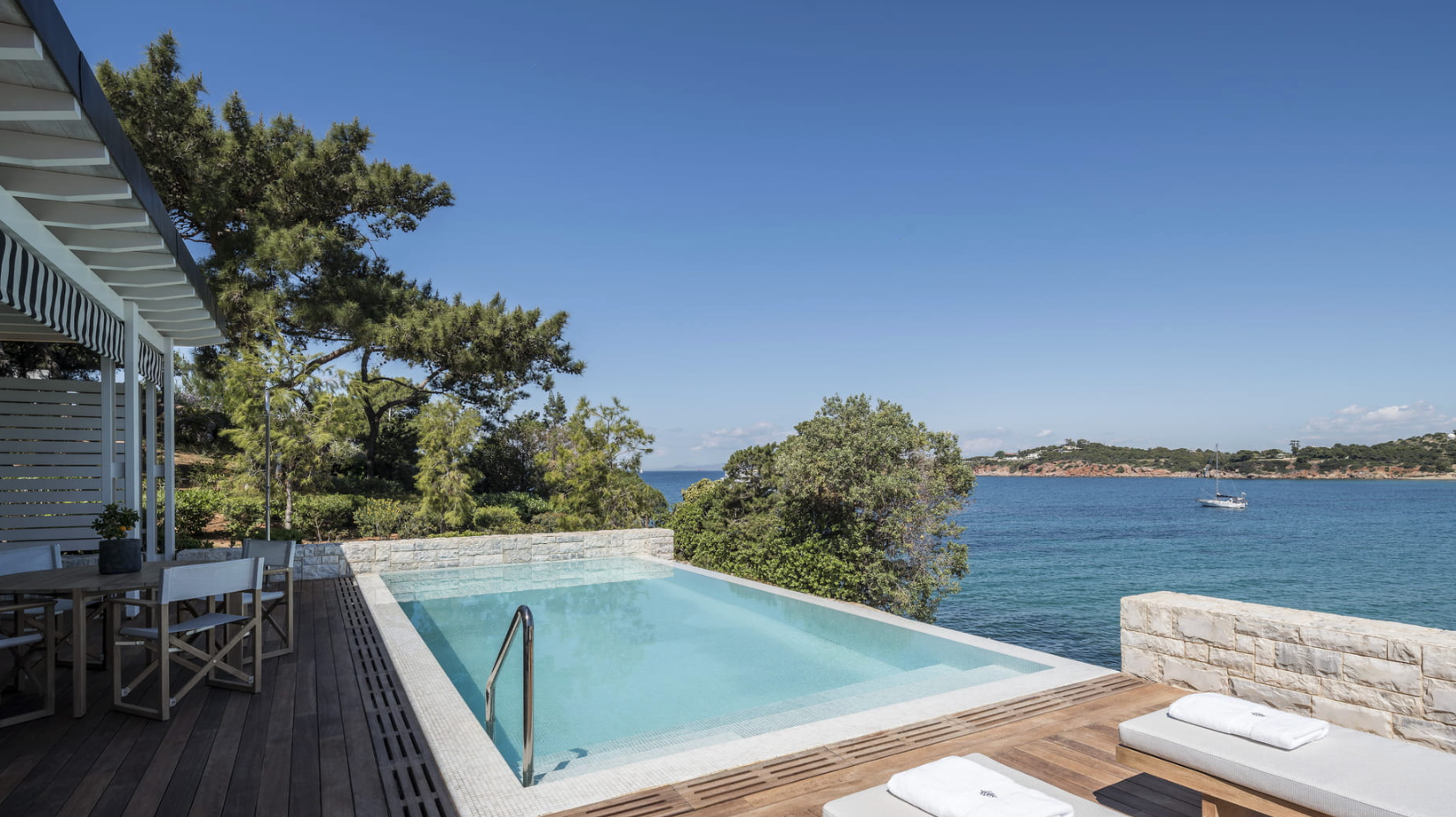
(Image courtesy of Four Seasons Resort)
You Don't Need an Exact Number
If you aren't sure what to spend, a ballpark is plenty. Any of these gives me something to work with:
- "We'd love to stay somewhere around $10,000."
- "We'd be comfortable between $15,000 and $20,000."
- "If it's a once-in-a-lifetime trip, we'd be willing to stretch."
Without any guidance, I'll either under-design the trip and leave out things you'd have loved, or over-design it and send you something you'd never book. Neither saves you time. Those kinds of ranges give me something meaningful to work with.

(Image courtesy of four Seasons Resort: Maui at Wailea)
Where I'd Splurge and Where I'd Save
One of the biggest advantages of working with a travel advisor is knowing which upgrades are actually worth paying for. A big part of my job is helping you decide where your money will make the biggest difference. I'll happily recommend spending more on a room category if the location, privacy, or amenities will significantly improve your stay. But I'm just as comfortable telling you to skip an upgrade when the added cost doesn't justify what you're getting.
The same goes for private transfers, guides, and VIP airport services. Sometimes a private driver or airport meet and greet makes an enormous difference. Other times, I'd rather put that money toward a better hotel or a special experience you wouldn't otherwise have considered. Your budget isn't a number I'm trying to push upward. The goal is to make the most of what you're comfortable spending, not to use every dollar of it.
Luxury Travel And Fit
Alo Travels focuses on luxury travel, but that doesn't mean every trip needs an unlimited budget. What matters most is whether our approach aligns with how you want to travel. We primarily work with travelers who value exceptional hotels, personalized experiences, and thoughtful service. If your goals and budget point toward a different style of travel, I'll be upfront about that and can recommend a colleague whose expertise may be a better fit. I'd rather help you find the right person than promise an experience that doesn't align with what you're looking for.
The Time It Saves You
A few minutes spent on priorities and budget at the start saves days of back-and-forth later. It keeps me from building an itinerary that was never going to feel right, and it keeps you from reviewing options that miss the mark. A clear budget isn't an invitation to sell the most expensive version of your trip. It lets me narrow the field, and narrowing the field is much of what a luxury travel advisor is hired to do. The more specific you are about your priorities, travel style, and comfort zone, the more the recommendations will reflect how you actually want to travel.
