
Washington, D.C. is one of those cities where it's easy to plan an entire trip around the monuments and museums and completely overlook everything else.
And while those sights are absolutely worth seeing, there's so much more to the city.
The neighborhoods have their own personalities, the restaurant scene is excellent, and there are some genuinely interesting hotels that make a weekend here feel like much more than a sightseeing trip.
The biggest thing I'd think about before booking is where you want to stay, because your hotel location can completely change how you experience the city.
Choosing the Right Part of the City
Where you stay in D.C. changes how the city feels more than in most destinations, because the neighborhoods are so distinct. Staying near the Mall puts you close to the sights but surrounds you with them from morning to night. Staying in Adams Morgan, Dupont Circle, or along the Potomac gives you a different rhythm, and you'll still be a short ride from the monuments.
If you're planning to visit around the Fourth of July, book well in advance. Washington is always a popular destination for Independence Day, and the celebrations surrounding America's 250th anniversary in 2026 made it an especially significant year.
The fireworks, monuments, and celebrations can be incredible, but it's a very different experience from visiting during a quieter weekend. I'd think about which version of D.C. you want before choosing your dates and hotel.
Where to Stay
The Line DC
The LINE is the choice for travelers who want to stay outside the traditional downtown hotel corridor. It's set inside a former church, and details like the stained-glass windows and vaulted ceilings remain. Step outside and you're in Adams Morgan, where restaurants, bars, and neighborhood life make the trip feel very different from staying near the Mall. If you want to be surrounded by neighborhood restaurants, bars, and a more local atmosphere, The LINE is a great choice. If you're looking for a quieter, more traditional luxury hotel experience, I'd probably recommend somewhere else.
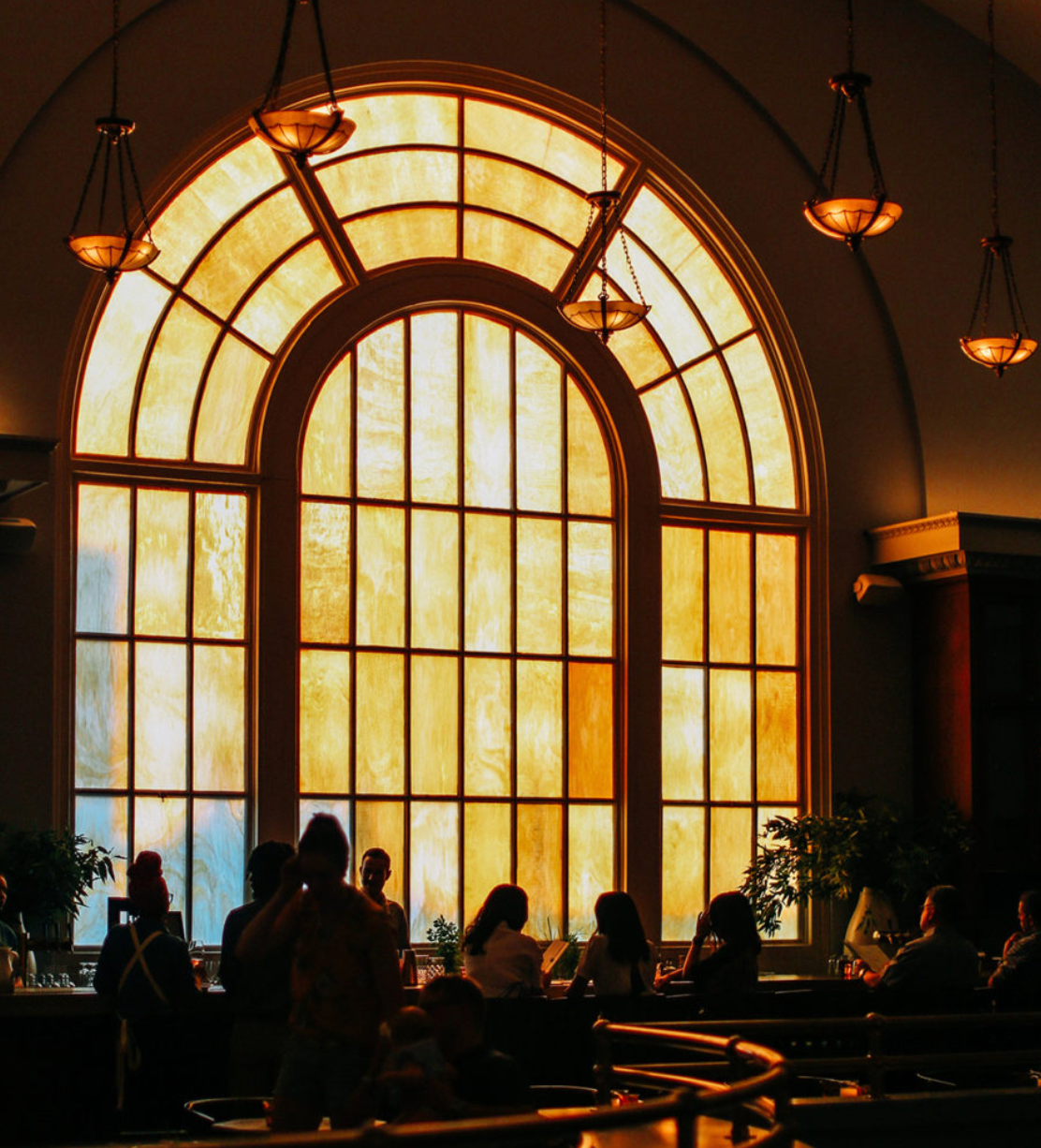
(Image courtesy of The LINE Hotel)
Lyle
Lyle feels more like a stylish neighborhood home than a city hotel, with warm textures, rattan, and residential-style rooms that suit its Dupont Circle setting. The downstairs restaurant gives you an easy option for breakfast or dinner without making the hotel a place you never leave. It works well if you want a calm place to return to after a full day.
Lyle is a great option for travelers who want something stylish and comfortable without a big, formal hotel atmosphere.
I'd choose it over The LINE for someone who wants a quieter, more residential setting, especially if the goal is to spend the day exploring and return to somewhere that feels relaxed.
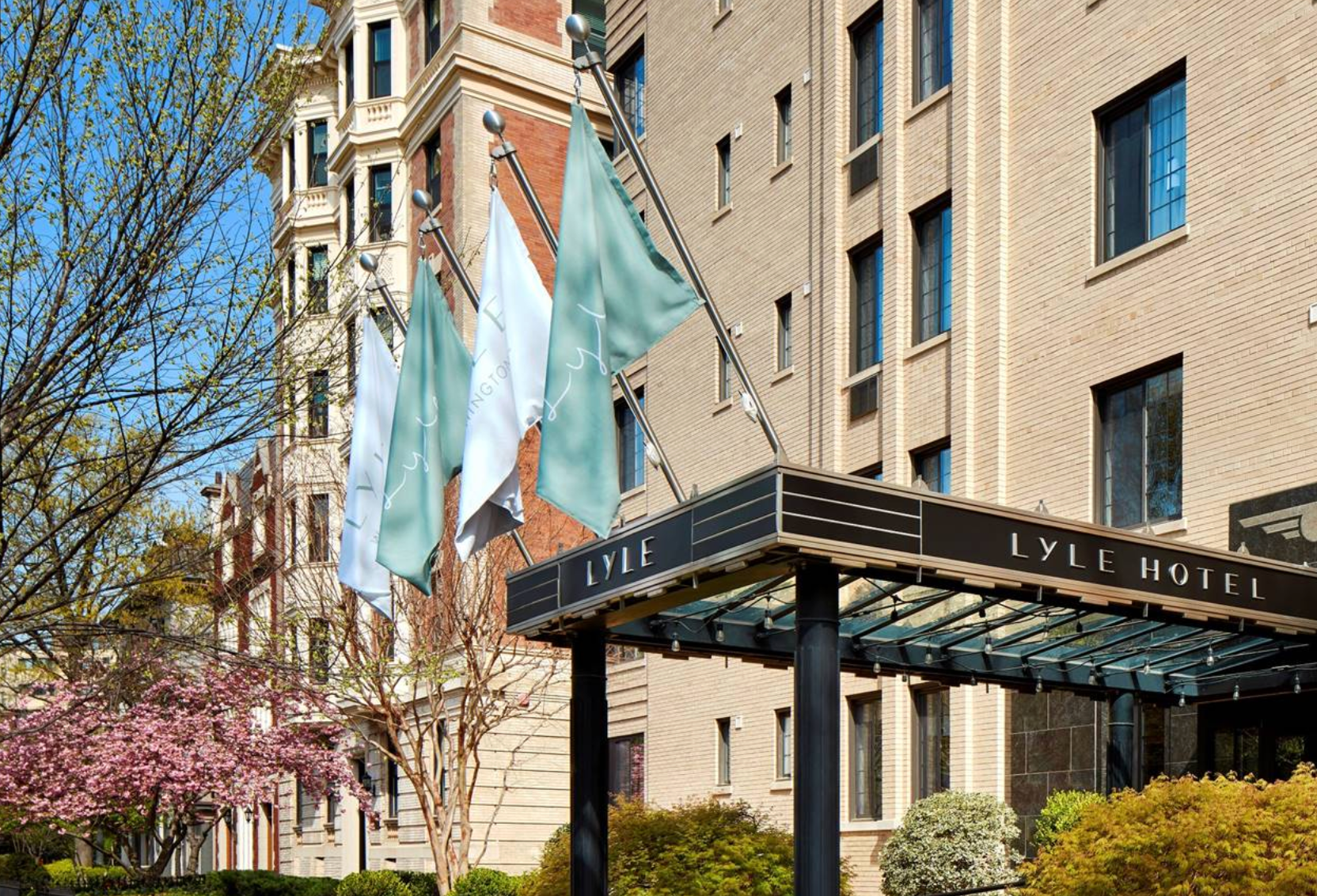
(Image courtesy of The LINE DC)
Riggs Washington DC
Riggs is a hotel where the building itself is the conversation starter. The former Riggs National Bank handled the finances of 23 U.S. presidents, including Abraham Lincoln and Dwight D. Eisenhower.
You can have dinner in the former banking hall and end the evening with a cocktail at Silver Lyan, which sits inside the original bank vault. You get a bit of D.C. history without feeling like you're sleeping in a museum.
Riggs is one of my favorite recommendations for travelers who appreciate hotels with a strong sense of place. The building's history is part of the experience, but it still feels modern and fun.
I'd pay attention to room categories here, since the historic building means layouts and sizes can vary.
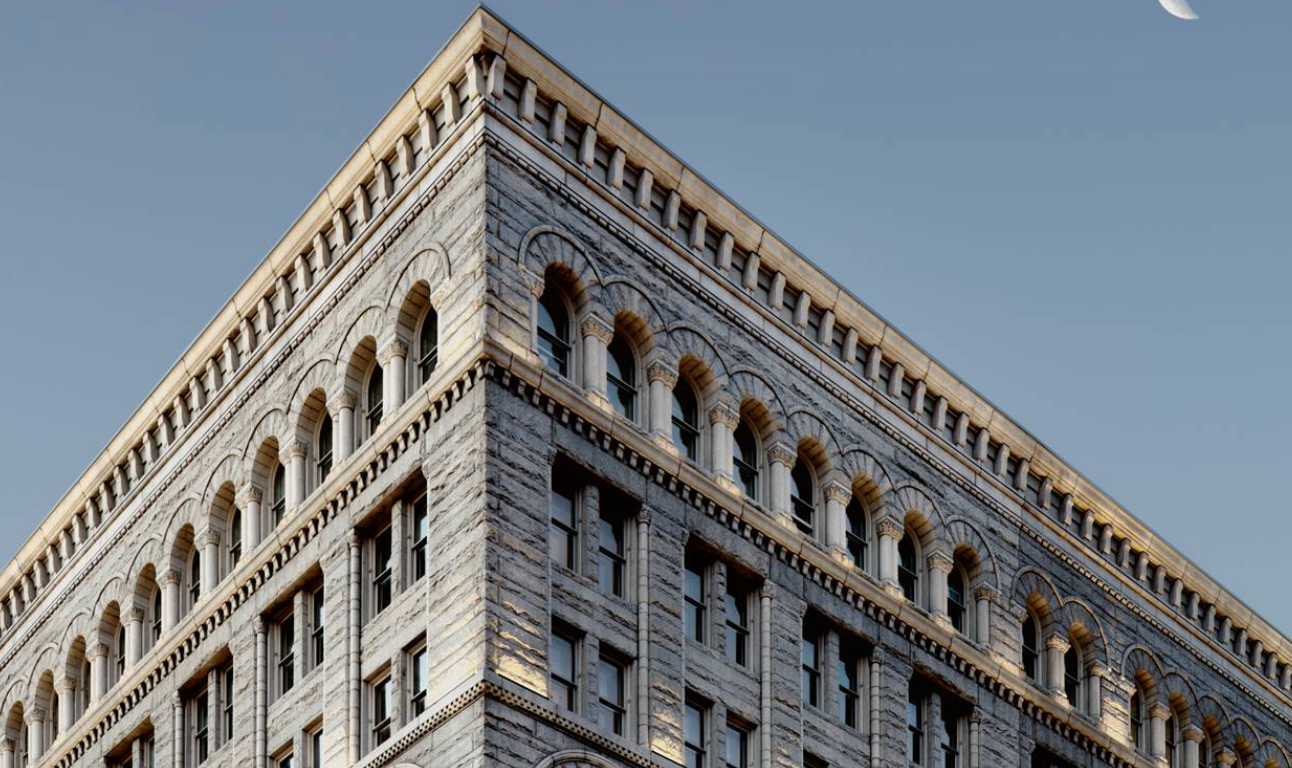
(Image courtesy of Riggs Washington DC)
Salamander Washington DC
Salamander is a great option if you want a polished luxury hotel close to the major sights.
It's particularly convenient for travelers planning to spend a lot of time around the National Mall, and the hotel's dining options make it easy to enjoy a great evening without going far.
Dōgon, from chef Kwame Onwuachi, is a destination in its own right and worth considering even if you're not staying at the hotel.
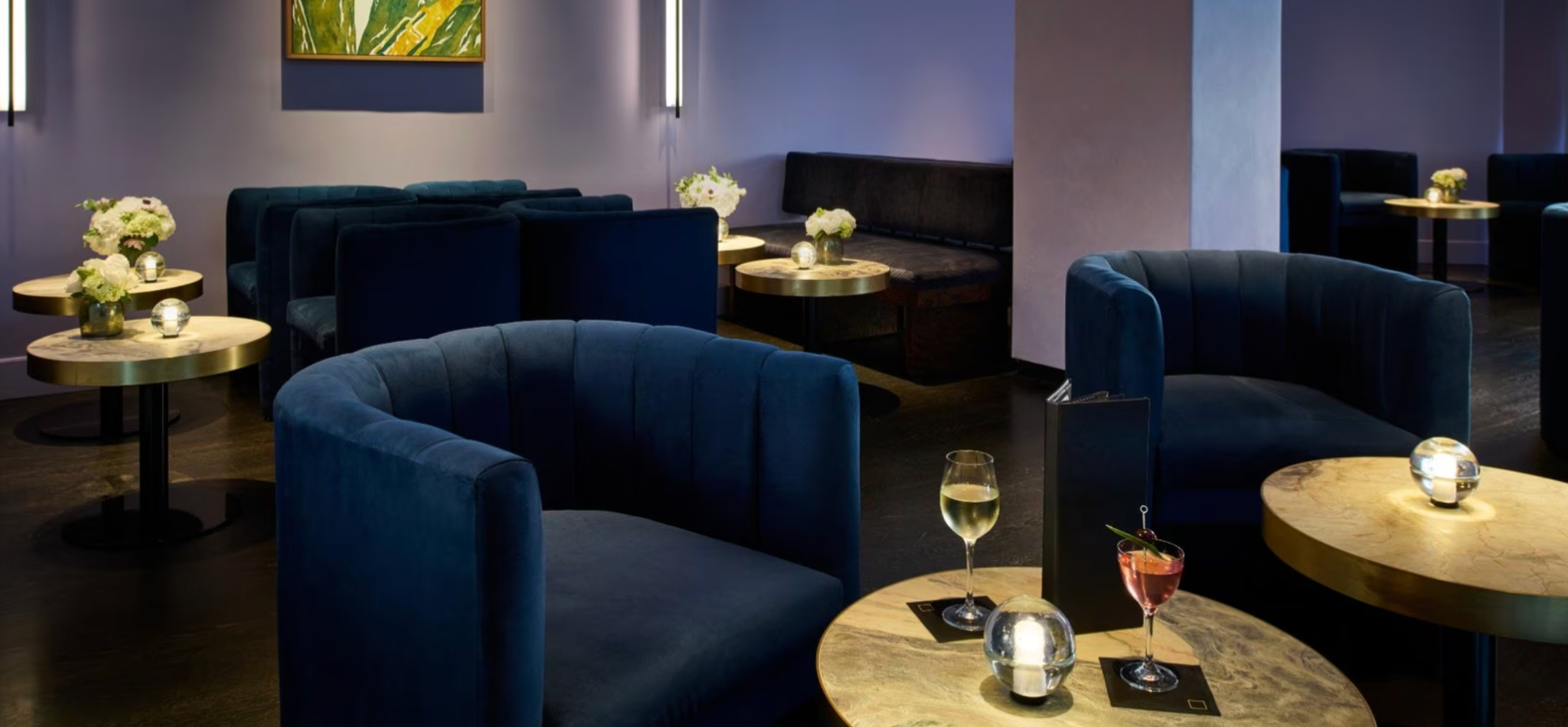
(Image courtesy of Dōgon by Kwame Onwuachi)
The Watergate Hotel
The Watergate's history is the obvious draw, but I wouldn't choose it for the name alone.
Its position along the Potomac puts you near the Kennedy Center and within reach of Georgetown, with a very different setting from the hotels near the Mall. It's a good example of how your choice of hotel can reshape the whole trip.
I'd choose The Watergate for someone who likes the idea of staying somewhere with a little history and wants to be close to Georgetown and the Kennedy Center.
Just keep in mind that you'll likely use taxis or rideshares more often than you would from a hotel closer to downtown.
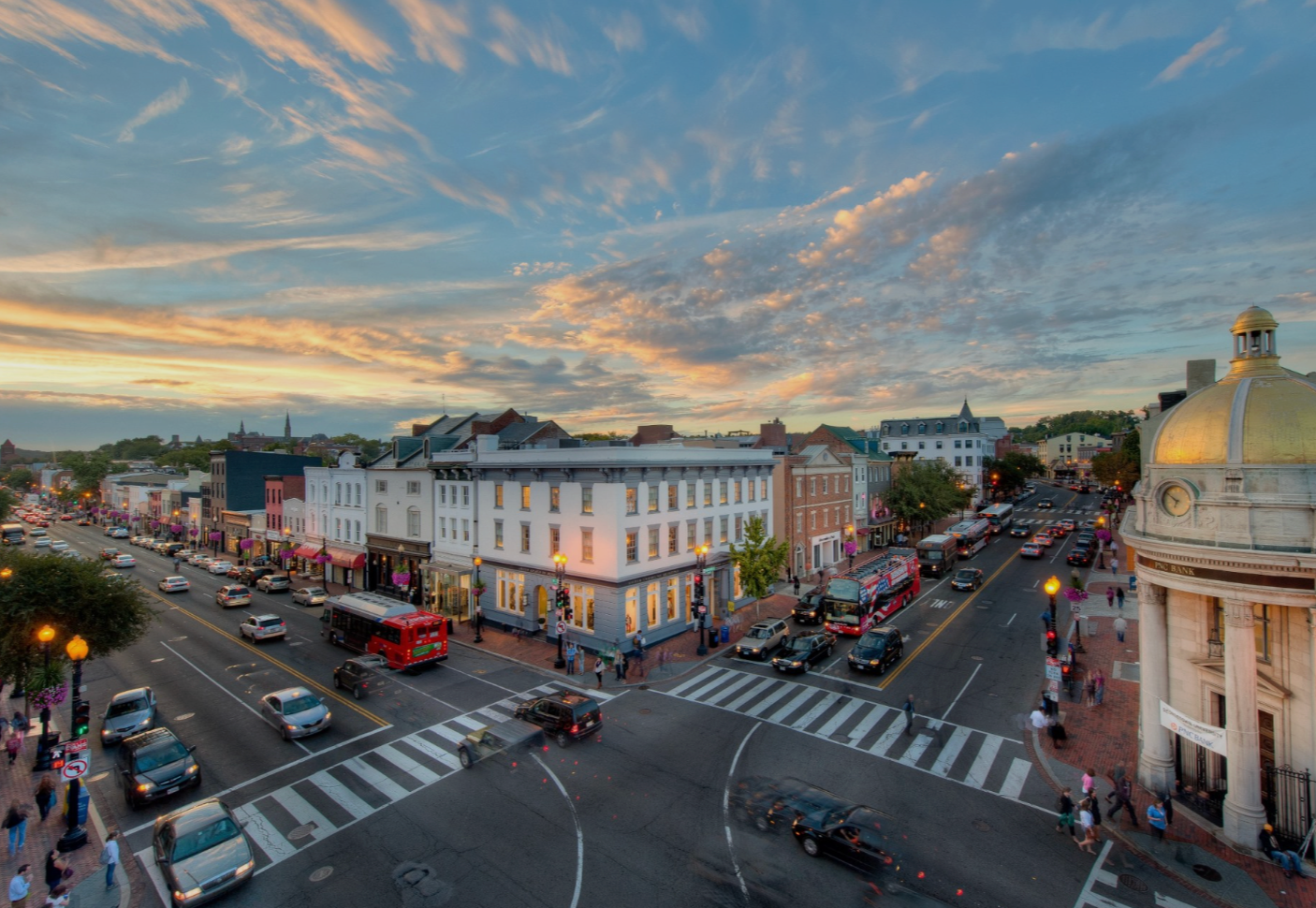
(Image courtesy of Georgetown DC)
How I'd Spend Your Time
See the Monuments at the Right Time
You should definitely see the monuments. You just don’t need to see them at the same time as everyone else.
The Lincoln Memorial at dawn feels very different from the same spot on a busy afternoon, and earlier or later hours give you room to slow down and take in where you are instead of moving through a crowd. Timing is one of the small itinerary decisions that changes the experience the most.
If you're visiting during the warmer months, an early morning walk around the monuments can also be much more comfortable than sightseeing in the middle of the afternoon.
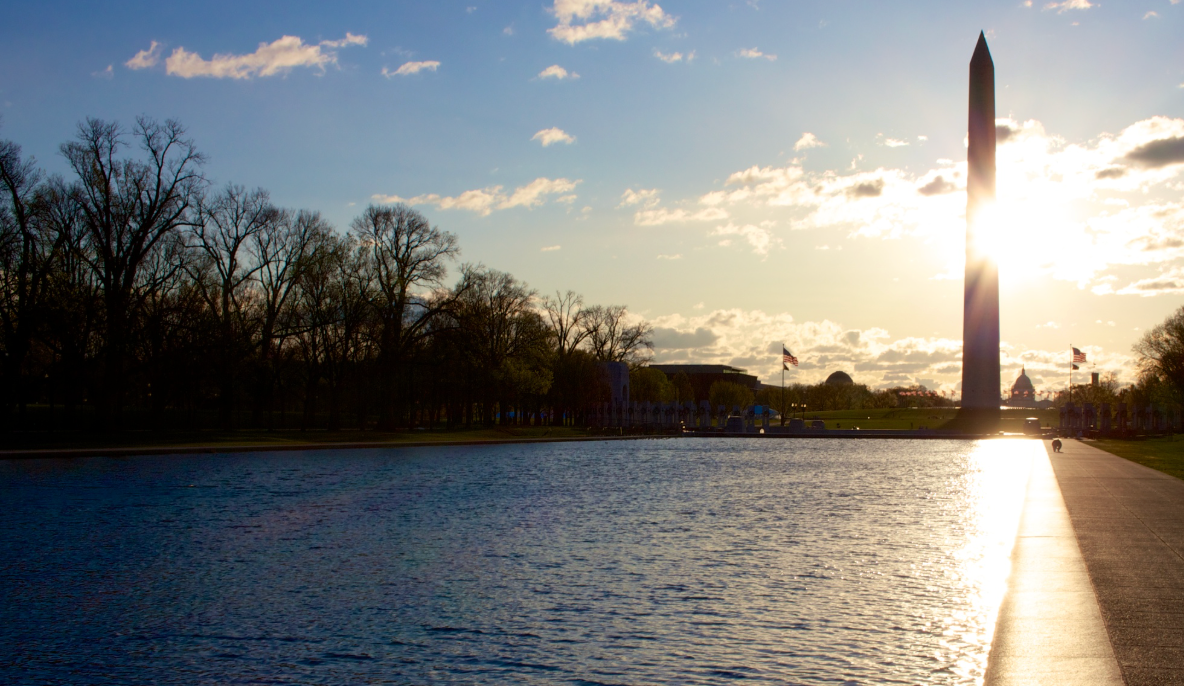
(Image courtesy of Touring Plans)
Be Selective About the Smithsonian
The Smithsonian is enormous, and trying to see everything is one of the easiest ways to turn a good day into an exhausting one.
Choose the museums that match your interests and give each enough time. One traveler might spend most of a morning at the National Museum of African American History and Culture, while another happily gets lost in an afternoon at Air and Space.
I'd choose one or two museums that genuinely interest you rather than trying to see everything.
The National Museum of African American History and Culture and the National Air and Space Museum are both excellent, but they're very different experiences.
For popular museums, check whether timed-entry passes are required and arrange them before your trip.
Plan Dinner Like It’s Part Of The Trip
Don't treat dinner as something to sort out after sightseeing.
D.C.'s restaurant scene deserves its own place in the itinerary, and the neighborhood you pick takes you to a completely different part of the city. One night might be a classic Washington institution, and another might take you to Shaw, 14th Street, Capitol Hill, or the waterfront for something newer. You don't need to chase every reservation people are talking about. The better approach is to choose places that fit how you want to spend the evening, and to book the popular ones well ahead.
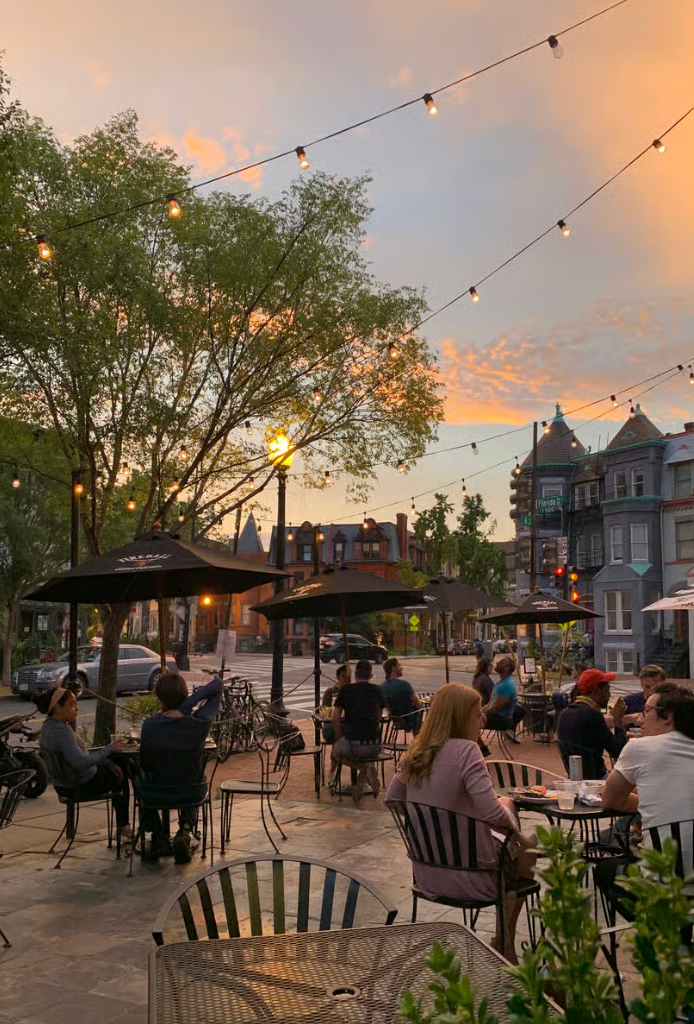
(Image courtesy of Shaw’s Tavern)
Where I'd Make Dinner Reservations
One of the things I love about Washington is that you can have a completely different dining experience depending on the neighborhood.
For a special occasion, I'd look at restaurants like The Dabney or Fiola, where dinner can be one of the highlights of the trip.
For something more relaxed, Le Diplomate is a classic choice, especially if you want a lively atmosphere and a long French bistro-style meal.
And if you're staying at Riggs, Silver Lyan is worth visiting for cocktails, even if you're not a hotel guest.
I wouldn't try to fit every popular restaurant into one weekend. I'd choose a couple that match the kind of evenings you want to have and make reservations in advance.
See D.C. Beyond the Postcards
Washington, D.C. is worth visiting for the history alone, but I think the best trips make room for much more than the monuments.
Choosing the right neighborhood, staying somewhere with personality, and making time for a few great meals can completely change how you experience the city.
